If you have been researching roofing materials online, you have probably already experienced the same cycle many homeowners do. One tab says a certain brand offers superior protection. Another promises longer-lasting performance. A third emphasizes design, color, or warranty language. Before long, comparing shingle brands for roof replacement starts to feel less like a practical decision and more like decoding marketing.
That confusion is normal.
Most homeowners are not trying to become roofing experts. They are trying to make a smart decision for their home, their budget, and their climate. But once you start looking at GAF, CertainTeed, Owens Corning, and multiple product lines within each, the language can become difficult to sort through. Terms sound impressive, brochures look polished, and product pages are designed to persuade as much as inform.
The good news is that you do not need to memorize every roofing term or trust the loudest brand message. A better approach is to focus on what actually matters: how the shingles are rated, how warranties are structured, how the full roof system is installed, and whether the contractor can explain the options clearly for your specific home. That is what helps turn online research into a decision you can feel comfortable with.
Comparing Shingle Brands for Roof: What You Should Know!
Why Comparing Shingle Brands Feels So Confusing
Part of the confusion comes from how similar the marketing sounds across major brands. Nearly every manufacturer highlights durability, weather resistance, curb appeal, and warranty language. If you are reading several product pages in one sitting, the differences can start to blur together.
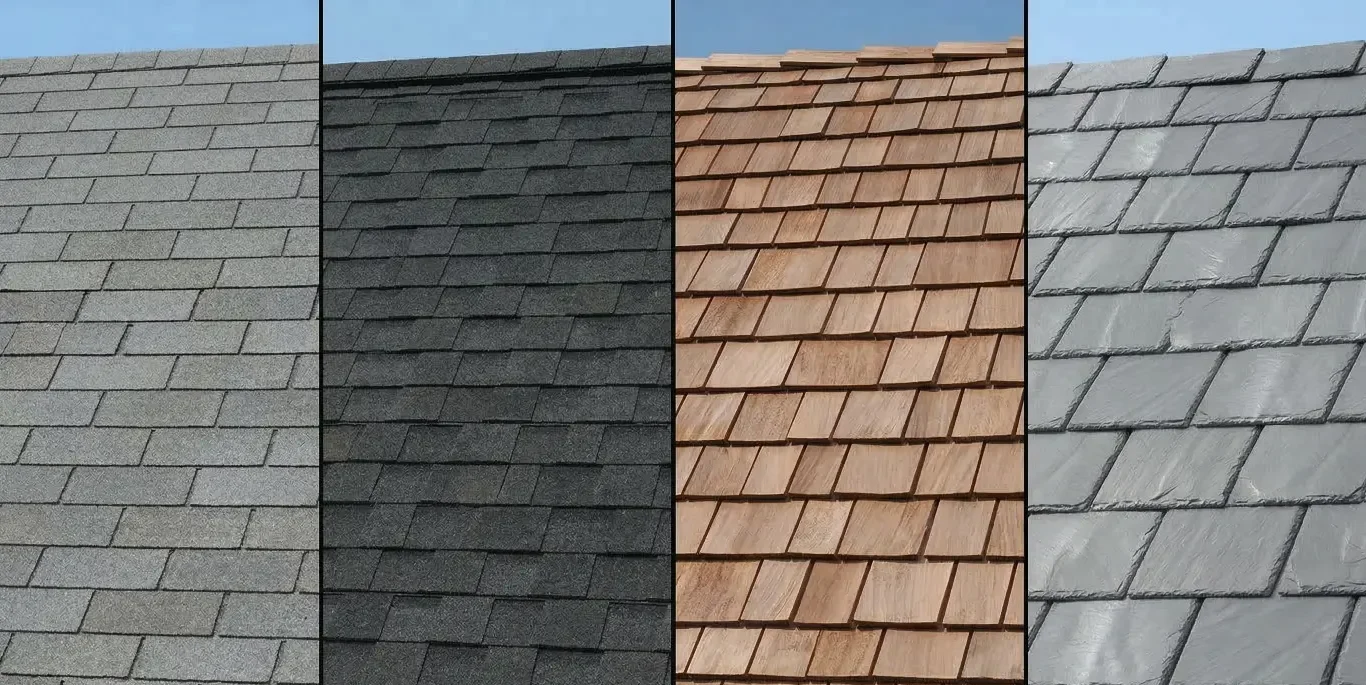
Another issue is that homeowners are often comparing not just brands, but multiple lines within each brand. One manufacturer may offer entry-level three-tab shingles, several architectural options, and premium designer products. Another may do the same, but with different names, slightly different feature sets, and different warranty tiers. That can make a simple question like “Which brand is better?” harder to answer than it seems.
Online research can make this worse instead of better. Some comparison articles are written from a strong brand preference. Some videos are helpful but oversimplified. Some reviews focus on one issue without giving broader context. Homeowners end up trying to compare reputation, appearance, technical specs, warranty language, installer recommendations, and cost all at once.
That is usually the point where the process stops feeling clear.
The important shift is this: instead of asking which brand has the strongest marketing, ask which comparison factors actually matter for your roof. That approach brings the decision back to something more grounded.
The First Thing to Understand: Most Major Shingle Brands Are Comparable
This is the part that often surprises homeowners who have spent hours comparing brand names.
Many major shingle manufacturers produce products designed to meet similar industry standards. That does not mean every product is identical. It does mean that the gap between well-known brands is often smaller than the gap between good installation and poor installation.
That is an important distinction.
Homeowners often begin the process assuming the brand is the main decision. In reality, roof performance often depends on a combination of product line, roof design, attic ventilation, underlayment, flashing details, and installation quality. A respected brand installed poorly can create problems. A solid product installed correctly as part of a properly designed roofing system can perform very differently.
This does not mean brand choice does not matter at all. It does. Product lines differ. Warranty structures differ. Some homeowners prefer one manufacturer’s color selection, design profile, or certification ecosystem. But if you are stuck in endless brand comparisons, it helps to step back and recognize that the decision is usually more nuanced than “brand A is good, brand B is bad.”
For many homeowners, the more useful question is not “Which brand wins?” but “Which product line and installation approach make sense for my roof, my climate, and my priorities?”
What Actually Matters When Comparing Shingle Brands
Once you move past the brand slogans, the comparison becomes more practical. A few measurable or decision-relevant factors usually matter more than the broad claims on the front page of a brochure.
Wind resistance ratings
Wind resistance is one of the first specifications many homeowners notice, especially in areas where storms are part of the conversation. Manufacturer specification sheets typically list wind-related ratings, and these can be useful when you are trying to understand how a product is positioned.
But wind numbers should be read carefully. A headline claim may sound simple, while the actual rating may depend on installation method, system components, or specific application conditions. In other words, the number alone does not tell the full story.
For a homeowner, the practical takeaway is not to chase the biggest number in isolation. It is to understand whether the product line is appropriate for the weather exposure your roof may face and whether the contractor installs the full system correctly.
Impact resistance classifications
Impact resistance is another feature that often gets attention, especially in conversations about hail. Some shingles are marketed with impact-related classifications, and homeowners understandably see that as a sign of better protection.
This can be relevant, but context matters. Not every home has the same exposure, and not every homeowner needs to prioritize the same features in the same way. A classification can be part of the picture, but it should not automatically override everything else, such as installation quality, warranty structure, or roof system design.
This is one reason homeowners can get overwhelmed when reading product pages. A specific rating may be meaningful, but only if it is interpreted alongside the rest of the system.
Shingle weight and construction
When people compare architectural shingles, one difference they may notice is weight or construction details. In general, heavier laminated products may be associated with different performance characteristics or design profiles, but homeowners should be careful not to reduce the entire decision to one specification.
Construction details matter because they shape how a shingle line is positioned. Some products are designed to hit a budget-friendly middle ground. Others are built to offer a different look, added thickness, or upgraded feature set. That does not mean one is universally right. It means product lines should be compared within the context of your priorities, not just the brand logo.
If you are already deep in online research, this is where it helps to stop asking “Which shingle is strongest?” and start asking “What is this product actually designed to do?”
How to Read Shingle Specification Sheets Without Getting Lost
For many homeowners, the technical sheet is where the research process starts to feel intimidating. The good news is that you do not need to understand every line item to get value from it.
A specification sheet is usually most helpful when you treat it as a filtering tool, not as a final verdict. It helps you separate measurable product information from general brand language.
Start by looking for the categories that describe actual product characteristics. That often includes wind-related information, product type, dimensions, application information, and other listed performance details. These are usually more useful than broad descriptive phrases like “advanced protection” or “ultimate durability,” which sound meaningful but are often too broad to compare directly.
The next step is to compare like with like. A homeowner may accidentally compare a premium product from one brand to a mid-range product from another and conclude that one manufacturer is clearly better. But often, the real difference is product tier, not manufacturer quality overall.
This is where online research often gets messy. Someone searching GAF vs CertainTeed vs Owens Corning differences may think they are comparing brands, when they are really comparing specific lines with different intended use cases and price points.
A practical way to read a spec sheet is to ask:
What type of shingle is this?
What measurable details are listed?
Is this a base product, a mid-tier architectural option, or a premium line?
What installation or system conditions are connected to the listed performance?
That mindset keeps the sheet useful without turning it into an engineering exercise.
Understanding Shingle Warranties (What They Really Cover)
Warranty language is one of the easiest places for homeowners to get pulled into marketing. Large warranty numbers sound reassuring, but the real meaning is often more specific than the headline suggests.
A manufacturer warranty generally applies to the product itself, but that is not the same as full coverage for every problem a homeowner might experience. Installation-related issues, workmanship concerns, or system design problems may be handled differently depending on how the roof was installed and who installed it.
This is why warranty reading should focus less on the large promotional phrase and more on the structure behind it.
Homeowners comparing roof shingle warranty differences should pay attention to questions like these:
What is being covered?
Is the warranty tied only to materials, or are there enhanced options available through specific installation programs?
Are certain coverage levels connected to a certified installer network?
What conditions have to be met for the warranty to apply as described?
This is where the contractor conversation matters. A warranty is not just a number on a brochure. It is part of a system that may depend on product selection, installation method, and eligibility requirements.
A careful homeowner does not need to become a legal interpreter here. But they should understand that warranty language is one of the clearest examples of how marketing and practical reality can diverge. A big warranty claim is not meaningless. It just needs context.
Why the Installer Often Matters More Than the Brand
This is the point many homeowners do not fully appreciate until they have spoken with an experienced roofer.
The roof is not just shingles. It is a system. Shingles are one visible part, but the performance of the roof also depends on ventilation, flashing, underlayment, edge details, fastening, and how the system is put together. That is one reason installer quality often matters more than the brand itself.
A homeowner researching materials online may compare brands for days, then discover during an actual consultation that the more important questions are about roof condition, slope, ventilation, past storm exposure, and how the replacement will be executed. That does not make the material choice unimportant. It means material choice cannot be separated from installation quality.
Manufacturer certifications are relevant here because they often signal training, familiarity with certain systems, or eligibility for specific warranty pathways. That does not automatically mean every certified installer performs identically. But it does help explain why homeowners should pay attention to who is installing the roof, not just what is being installed.
If you are choosing between similar architectural shingles, the more useful differentiator may be whether the installer can explain:
Why they recommend a certain line for your home
How the full roofing system will be installed
What components are included beyond shingles
How ventilation, flashing, and detail work will be handled
What documentation or guidance you will receive during the process
If you are comparing shingle brands and trying to decide what makes sense for your roof, the next step is seeing how those options apply to your specific home.
A professional roof inspection can help evaluate the condition of the current roof and explain which materials are appropriate for the structure and climate.
Red Top Roofing provides inspection-led guidance so homeowners can make informed decisions about roof replacement.
Request a free roof inspection to review your roof and discuss shingle options that fit your situation.
Comparing Popular Shingle Brands Without Getting Stuck on Marketing
Homeowners researching materials often circle around the same three names: GAF, CertainTeed, and Owens Corning. That is understandable. These brands are widely recognized, commonly installed, and frequently compared online.
The challenge is that these comparisons often become brand arguments instead of decision tools.
A more grounded way to compare them is to focus on the differences that actually shape the homeowner experience. That may include product line structure, design preferences, warranty options, contractor familiarity, and the installer programs tied to each manufacturer.
For example, one homeowner may prefer a certain color palette or visual profile. Another may care more about which product line fits their budget without dropping too far in design or feature set. Another may prioritize working with an installer who has strong familiarity with one manufacturer’s system and warranty process.
That is why “Which brand is best?” usually leads to less clarity, not more. The better question is “What are the differences between the specific lines I am being offered, and how do those differences matter for my roof?”
This approach keeps the comparison useful. It also makes it easier to avoid being pulled into generic claims that do not help with the actual decision.
Common Mistakes Homeowners Make When Choosing Shingles
One common mistake is choosing based on brand reputation alone. A recognizable brand can feel safer, but if the actual product line is not well matched to the home, budget, or installation plan, brand familiarity alone does not solve the real decision.
Another mistake is focusing too much on cosmetic appeal without asking enough about the full roofing system. Color and appearance matter. Curb appeal matters. But those should be part of the decision, not the whole decision.
Homeowners also sometimes overvalue premium language without understanding what is behind it. A product might sound significantly better in a brochure, but the practical difference may depend on the specific line, the installation details, or whether the upgraded feature actually matters for the home’s conditions.
A different mistake is ignoring system components beyond shingles. Proper ventilation, flashing transitions, and underlayment can affect how the roof performs over time. When homeowners focus only on the brand label, they may miss questions that are just as important.
And finally, many people do not move from research mode into home-specific evaluation soon enough. It is easy to spend hours comparing products in the abstract. But until the roof itself is evaluated, some of the decision remains theoretical.
How to Choose the Right Shingle for an Atlanta-Area Home
For Atlanta-area homeowners, climate should be part of the conversation. Heat, storm exposure, wind events, and seasonal weather patterns can all influence which roofing considerations deserve attention.
That does not automatically point to one universal product. Instead, it means homeowners should think about materials in context. A house with one roof design, one level of tree exposure, and one budget may not have the same priorities as another home a few neighborhoods away.
This is where “best shingles for Georgia climate” becomes a tricky phrase. It sounds like there should be one simple answer, but in practice the right fit depends on more than geography alone. Product type, home conditions, roof slope, system design, and installer recommendations all shape the decision.
A practical approach for an Atlanta-area home usually includes asking:
What kind of storm exposure does this home face?
Is the homeowner prioritizing budget, appearance, warranty options, or system upgrades?
What product line makes sense for the roof structure and replacement plan?
Can the installer explain the recommendation in plain language rather than just naming a brand?
That last point matters. A good recommendation should feel specific to the home, not copied from a generic sales script.
The Next Step After Comparing Materials
At some point, online research reaches its limit.
You can compare product pages, look at colors, read warranty summaries, and watch videos, but eventually the decision needs to connect to the actual roof. That is where an inspection and contractor conversation become useful. Not because the homeowner has failed to do research, but because research alone cannot tell the full story of what makes sense for one specific home.
A roof inspection helps bring the conversation back to evidence. It allows the homeowner to understand the current condition of the roof, any system concerns that may affect replacement planning, and which shingle options are appropriate for the structure and climate. It also makes the material conversation more concrete. Instead of comparing brands in the abstract, the homeowner can compare options in the context of their own property.
That is often the point when the noise starts to fall away. Brand language matters less. Clear explanation matters more.
If you are deep in material research and still not sure what really matters, a guided inspection can help connect the product options to the actual roof in front of you. Speak with a roofing specialist about roof replacement options if you want help translating brand comparisons into a real decision. A clear inspection can help you understand what fits your roof, your priorities, and your next step.
Frequently Asked Questions
Which shingle brand is best for Georgia’s climate?
There usually is not one universal best brand for every home. Climate matters, but so do roof design, product line, installation quality, and the homeowner’s priorities. A better approach is to compare the right product lines for the home rather than assume one brand wins in every situation.
What are the differences between GAF, CertainTeed, and Owens Corning shingles?
Homeowners often compare these brands because they are widely recognized, but the most meaningful differences usually show up in product lines, warranty structures, design options, and installer programs. The most useful comparison is often between specific shingles being proposed, not the manufacturer names alone.
How do I read a roofing shingle specification sheet?
Focus on measurable product information rather than broad marketing phrases. Look for the type of shingle, listed performance details, and where the product sits within the manufacturer’s lineup. It also helps to compare similar product tiers rather than mixing entry-level and premium options.
Do more expensive shingles last longer?
A higher price may reflect added features, upgraded design, or a different product tier, but price alone does not guarantee a better long-term result. Roof performance also depends on system design and installation quality, so homeowners should evaluate value in context rather than assume the most expensive option is automatically the best fit.
Are architectural shingles better than three-tab shingles?
Architectural shingles are often chosen for their appearance and may offer a different construction profile than three-tab shingles. Whether they are the better choice depends on the homeowner’s budget, goals, and replacement plan. For many homeowners, the comparison is about fit and priorities rather than a simple universal rule.
Does the roofing contractor matter more than the shingle brand?
In many cases, yes. Brand choice matters, but roof performance often depends heavily on how the roofing system is installed. Ventilation, flashing, underlayment, and workmanship can influence the outcome as much as the shingle brand itself.
Schedule a Free Roof Inspection
Speak with a roofing specialist about roof replacement options.
If you are comparing shingle brands and trying to decide what makes sense for your roof, the next step is seeing how those options apply to your specific home.
A professional roof inspection can help evaluate the condition of the current roof and explain which materials are appropriate for the structure and climate.
Red Top Roofing provides inspection-led guidance so homeowners can make informed decisions about roof replacement.
Request a free roof inspection to review your roof and discuss shingle options that fit your situation.