Roof maintenance responsibilities in lease language should do more than say the landlord handles repairs.
A useful lease explains what the owner is responsible for, what the tenant must report, how active leaks and storm damage should be communicated, when inspection access may be needed, and what records both sides should preserve. For a single-family rental owner, that clarity can reduce delay and create a better repair record.
In Georgia, a residential lease cannot simply transfer away a landlord’s basic responsibility to keep the building structure in good repair. The state’s landlord-tenant handbook says residential landlords must maintain the building structure and keep rental units safe and habitable. The lease is therefore most useful as an operating document: it should define reporting, access, documentation, and tenant-conduct expectations without pretending to rewrite legal duties.
Start With the Legal Baseline
The Georgia Department of Community Affairs’ landlord-tenant handbook says residential landlords have a duty to keep a unit in good repair and specifically identifies maintaining the building structure as a landlord responsibility. It also warns against lease terms that remove or reduce the landlord’s responsibility to maintain habitable property in good repair.
For roof issues, that means the lease should not make the tenant generally responsible for shingles, flashing, decking, penetrations, or structural roof defects. It can, however, require the tenant to use the property reasonably, avoid unauthorized alterations, report symptoms promptly, cooperate with lawful access, and take limited safe steps to reduce interior damage.
Because leases are legal contracts and local facts matter, have a Georgia landlord-tenant attorney review final wording before using it.
Separate Four Responsibilities
1. Owner responsibility for the roof system
The landlord should arrange inspection and repair of the roof and building structure as required by the lease and applicable law. The owner also controls contractor selection and repair scope unless a specific agreement says otherwise.
2. Tenant responsibility to report symptoms
The tenant should promptly report active dripping, new ceiling stains, wet drywall, bulging paint, fallen ceiling material, storm-created openings, or visible exterior damage observed from a safe location.
3. Tenant responsibility for avoidable damage
The lease can distinguish normal roof deterioration from damage caused by unauthorized tenant activity. Installing a dish, camera, decoration, or other roof penetration without approval raises a different responsibility issue than wind-damaged shingles or an aging flashing detail.
4. Shared responsibility for access and documentation
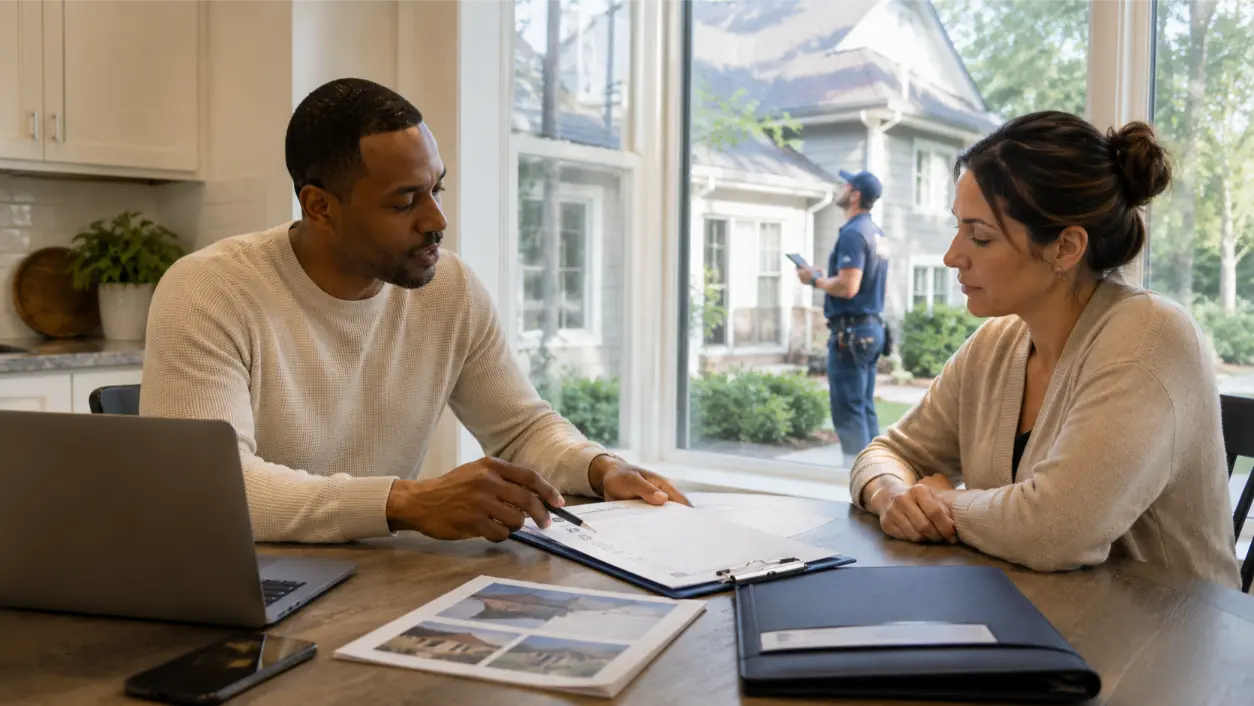
After a leak report, the owner may need access for a roofer, property manager, adjuster, or other professional. The lease should cross-reference its normal entry provision and tell the tenant what photos or information are useful without asking the tenant to climb onto the roof.
Use Reporting Categories Instead of One Fixed Deadline
A rigid requirement such as “all roof problems must be reported within 48 hours” can create more confusion than clarity. An active leak during a thunderstorm is different from a small stain noticed weeks after the last rain. Georgia landlord-tenant guidance similarly recognizes that a reasonable repair time depends on the seriousness and nature of the condition.
- Active water entry or immediate safety concern: report immediately through the emergency contact method.
- New stain or suspected leak without active dripping: report as soon as reasonably practical through the normal maintenance channel.
- Storm event with visible damage: report promptly and preserve safe photos.
- Non-urgent roof concern: report through the normal maintenance process rather than waiting until renewal or move-out.
The lease should identify the actual phone number, portal, email address, or after-hours procedure.
Tell Tenants What to Do During an Active Leak
A tenant should not be expected to diagnose the roof, climb a ladder, walk on wet decking, or perform temporary roof repairs. Safer expectations focus on interior damage control:
- Move personal property away from active water when safe.
- Place a container under a drip only if there is no electrical or ceiling-collapse hazard.
- Avoid wet electrical fixtures, sagging ceilings, and unsafe attic areas.
- Photograph visible symptoms and note the time and weather conditions.
- Contact the landlord through the designated maintenance or emergency process.
- Cooperate with reasonable inspection and mitigation access.
Red Top Roofing’s guide to attic inspections for roof leaks explains why symptom reporting matters more than tenant diagnosis: a ceiling stain can be separated from the actual entry point, and some moisture can originate from plumbing, HVAC, or condensation rather than the roof.
Add a Separate Storm-Damage Procedure
Storms create extra timing and documentation needs. A lease can require the tenant to report visible damage or water entry, avoid unauthorized roof work, preserve interior photos, and cooperate with inspection access after hail, wind, or falling limbs.
The owner can then decide whether to arrange a contractor inspection, contact the property insurer, or take other steps based on the observed condition and policy. Do not promise in the lease that insurance will pay. Coverage depends on the policy, cause of loss, exclusions, deductible, timing, documentation, and insurer determination.
Set a Simple Documentation Standard
Good records help with repairs, insurance, and later disputes. Ask tenants for information they can reasonably collect from inside the home or from the ground:
- Date and approximate time the condition was noticed.
- Room or area where water or staining appeared.
- Whether water is actively entering or the area is only stained or damp.
- Photos or short video of the interior symptom.
- Recent weather event, if known.
- Whether the same area has leaked before.
- Any immediate safety concern, such as sagging drywall or water near an electrical fixture.
For the owner, the next layer should come from a qualified inspection. Red Top Roofing positions its free roof inspection around photo and video documentation of shingles, flashing, decking, ventilation, and storm impacts. That kind of record can help a rental owner separate an isolated symptom from a broader roof condition.
Clarify Access and Unauthorized Roof Work
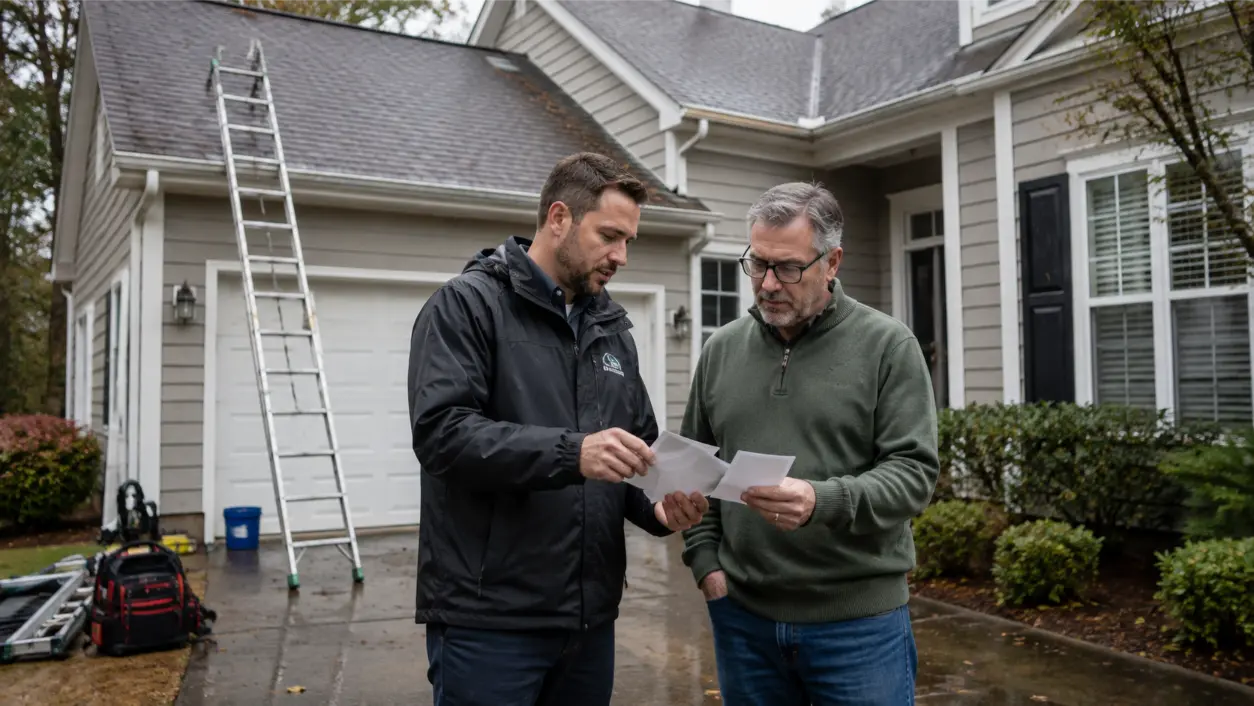
Roof investigations may require access to the attic, upper floors, garage, or rooms where staining is visible. Georgia consumer guidance notes that landlords may need to enter rental property to make repairs, respond to emergencies, or investigate damage, and that the lease should address when entry is permitted.
The roof section should therefore cross-reference the main entry provision rather than invent a conflicting rule. It can also prohibit unauthorized activity such as walking on the roof, attaching decorations or equipment to shingles or flashing, creating penetrations, or hiring a contractor to alter the roof without written approval.
If tenant-caused damage is addressed financially, coordinate that language with the lease’s general damage and security-deposit provisions and have counsel review it. Georgia’s current handbook distinguishes normal wear from damage caused by a tenant, household member, pet, or guest, but responsibility still depends on the facts.
Keep Renter’s Insurance and Roof Coverage Distinct
A landlord’s property insurance generally addresses the building subject to its policy terms; it is not automatically coverage for the tenant’s belongings. Georgia’s landlord-tenant handbook notes that a landlord’s property insurance typically does not cover a tenant’s personal items damaged by events such as water and that some leases require renter’s insurance.
If renter’s insurance is required, keep that requirement in the insurance section and cross-reference it from the roof section. Avoid suggesting that renter’s insurance pays to repair the owner’s roof or that the owner’s policy will always pay the tenant’s personal-property loss.
A Practical Roof-Maintenance Lease Framework
- Owner duty: State that the owner arranges roof and structural inspection and repair as required by law and the lease.
- Prompt notice: Require reporting of leaks, stains, storm damage, or other roof-related symptoms through specified contact methods.
- Emergency process: Identify the after-hours method for active water intrusion or immediate safety concerns.
- No unauthorized roof work: Prohibit roof access, penetrations, alterations, or repairs without written authorization, except where law provides otherwise.
- Safe mitigation: Ask for reasonable interior steps such as moving belongings away from water when safe.
- Documentation: Request photos, location, timing, weather context, and recurrence information when available.
- Access: Cross-reference the lease’s lawful entry provision for inspection and repair.
- Damage and insurance: Cross-reference the lease’s existing damage, deposit, casualty, and insurance sections.
Example Language to Review With Counsel
Roof and Water-Intrusion Reporting. Tenant shall promptly notify Landlord through the maintenance contact methods provided in this Lease of any known or suspected roof leak, ceiling or wall water stain, active water intrusion, storm-related roof damage visible from a safe location, or other condition that may indicate damage to the roof or building structure. Active water intrusion or an immediate safety concern should be reported through the emergency contact method as soon as reasonably possible. Tenant shall not access, alter, penetrate, or repair the roof, or authorize another person to do so, without Landlord’s prior written approval, except where applicable law provides otherwise. Tenant shall take reasonable and safe steps to protect personal property from active water and shall cooperate with lawful access for inspection, emergency mitigation, and repair. Landlord remains responsible for roof and structural maintenance to the extent required by the Lease and applicable law. Responsibility for damage caused by Tenant, household members, guests, or unauthorized alterations shall be determined under the Lease and applicable law.
This example is a drafting framework, not plug-and-play legal advice. A Georgia attorney should review it together with the full lease, entry provisions, casualty clauses, security-deposit language, and insurance requirements.
Landlord Roof Checklist Outside the Lease
- Record roof age, material, prior repairs, and warranty information.
- Give tenants written normal and emergency maintenance contacts.
- Document every roof-related tenant report and response.
- Arrange an evidence-based inspection after recurring leaks or significant storms when appropriate.
- Keep contractor photos, proposals, invoices, warranties, and completion records.
- Review roof condition before major insurance renewal, property sale, or when recurring symptoms justify it.
- Update lease templates after attorney review when a dispute exposes unclear wording.
How Red Top Roofing Helps Rental Property Owners Get the Facts
Red Top Roofing serves property owners across Atlanta, Cartersville, Roswell, Rome, Alpharetta, Dallas, Kennesaw, Acworth, Marietta, Canton, Woodstock, and surrounding communities. Its inspection-first process emphasizes photo and video documentation and a clear plan before repair, replacement, or claim decisions.
For a landlord dealing with a reported leak, recent storm, or aging roof, a documented inspection can clarify the condition before a scope is chosen. Property owners can request a free roof inspection from Red Top Roofing and retain the inspection record with their maintenance documentation.
Frequently Asked Questions
Who is responsible for roof leaks, the landlord or the tenant?
In Georgia, landlords generally have responsibility for maintaining the building structure and keeping residential rental property in good repair. A tenant may still be responsible for damage the tenant or guests cause, depending on the facts and lease.
How soon should tenants report roof leaks?
The lease should require prompt notice and distinguish emergencies from non-emergency symptoms. Active water entry or a safety concern should be reported immediately through the designated emergency channel.
Should a lease include storm-damage language?
Yes, when it clarifies prompt notice, safe documentation, no unauthorized roof repairs, and inspection access. It should not guarantee that an insurer will cover the loss.
Can I make the tenant responsible for all roof maintenance?
A landlord should not use lease language that attempts to waive duties Georgia law places on residential landlords. Have counsel review maintenance allocations before use.
Should tenants inspect the roof themselves?
No. Tenants can report visible symptoms from safe locations and provide interior photos. A qualified professional can perform roof and attic inspections when appropriate.
What records should a landlord keep after a roof leak?
Keep the tenant’s notice, photos or video, inspection documentation, contractor findings, estimates, insurance correspondence if applicable, repair invoices, warranty information, and completion records.
This article provides general educational information for Georgia rental-property owners and is not legal, insurance, engineering, or property-management advice. Landlord-tenant duties, lease enforceability, entry rights, casualty provisions, insurance coverage, and repair obligations depend on the facts, the lease, applicable law, and local requirements. Have a qualified Georgia attorney review lease language before use.
RELATED LINK: Georgia Department of Community Affairs — Georgia Landlord-Tenant Handbook